WELCOME
By The SeaLegacy Team

For the last decade, SeaLegacy has channeled the voice of the ocean and its many defenders, stewards, and general marine lovers through photography, short films, documentaries and docuseries, articles and blog posts, campaigns, social media, research papers, petitions, backyard screenings, and community cinema. You may know us from the award-winning show Photographer, with our co-founders Paul Nicklen and Cristina Mittermeier, or even Welcome to Earth with Cristina Mittermeier. At the heart of every leap we have taken into the public eye is an ocean story meant to inspire, educate, and empower each generation to take authorship over the future of our planet.
Today, there are more ways than ever to share our love for the ocean and our mission to protect it. We were born from the space where media, the creative arts, and ocean conservation meet: a powerful convergence of worlds that has catalyzed hope for ocean communities across the world. But that space is changing. Right now we are living in an era of clickbait headlines, increasingly realistic-looking AI content, and whiplash-inducing politics that have left us all more than a little disoriented. It can be hard to know what to believe, and there are fewer and fewer places that give us the breathing room to slow down and understand what’s really going on.
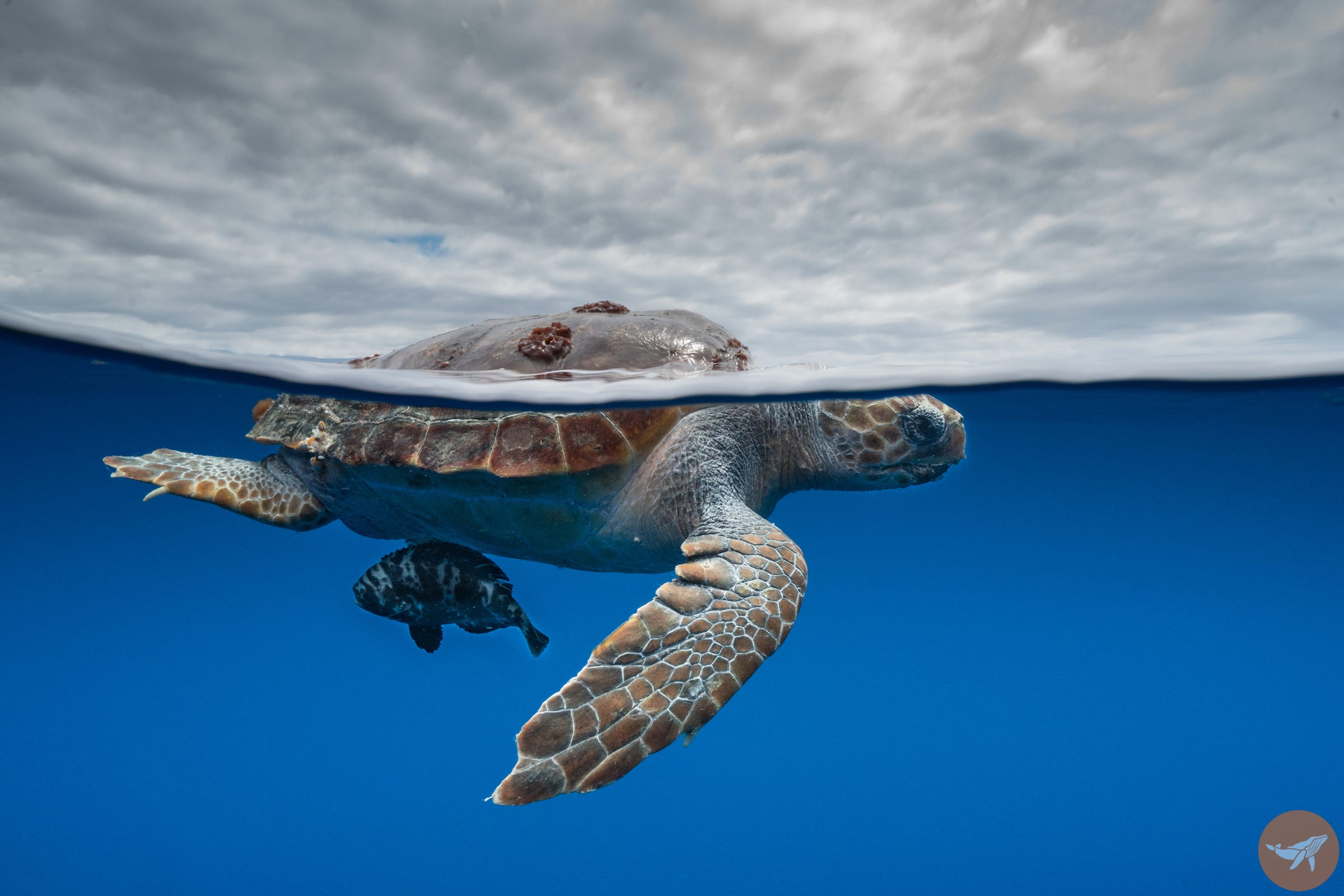
This is how we arrived here on Substack. Consider this a rest stop on a long dive, a place where you can pause to digest science-backed ocean stories filled with heart and characters you will come to love as much as we do. This is just as much for our readers, who have been navigating the noise of an increasingly fragmented information landscape, as it is for us: our producers and editors, writers and strategists, marine biologists and directors whom we would genuinely be lost without, and, of course, our founders, the pillars of everything SeaLegacy has accomplished. We all feel it too, the uncertainty of a new digital era colliding with the reality of a changing climate and planet.
So let’s all take a deep breath and dive in.
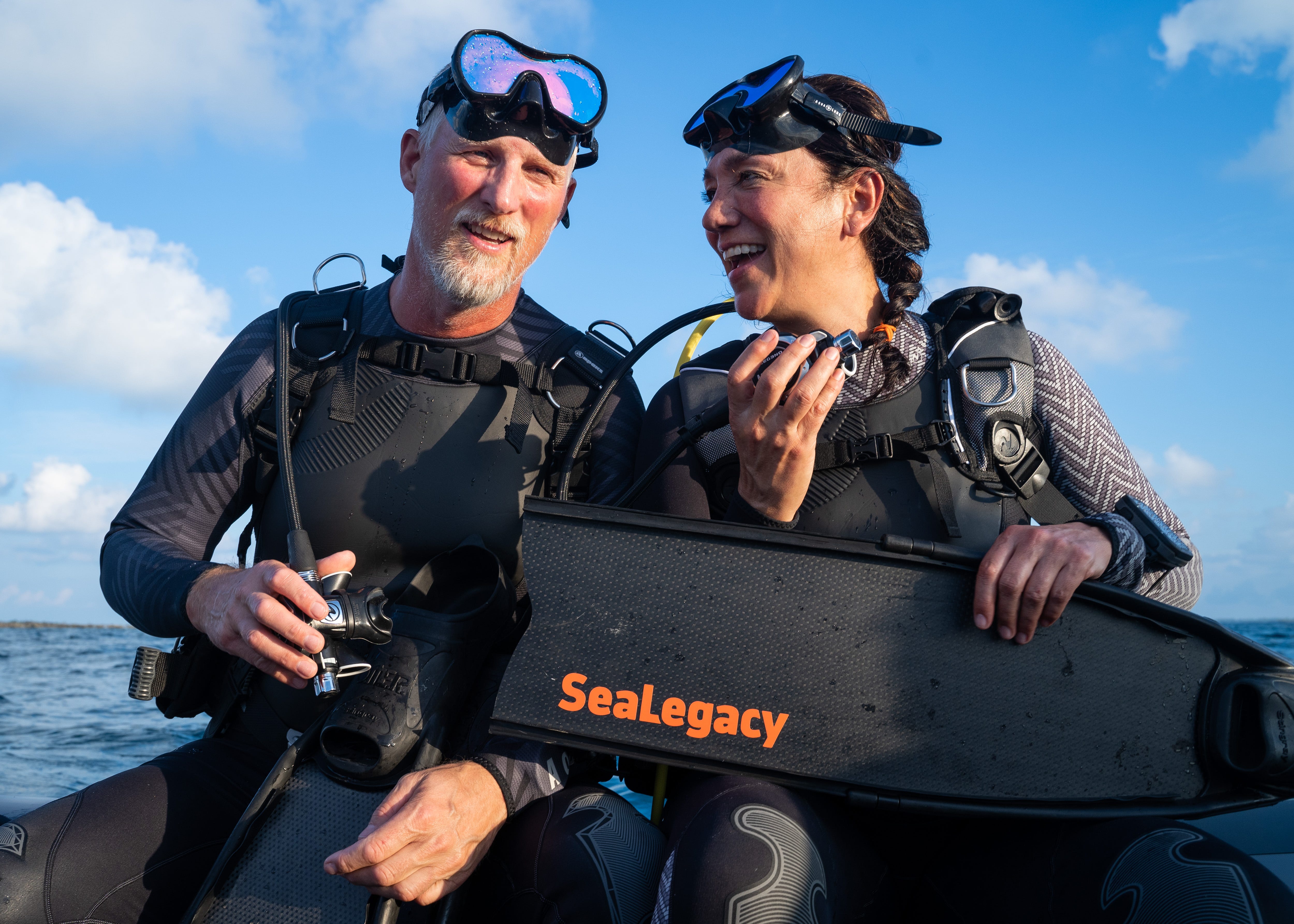
OUR STORY
For those who are completely new to SeaLegacy, you may still be a little confused about what it is we actually do. That’s because when our co-founders first started brainstorming ideas for a non-profit at their kitchen table, they always intended SeaLegacy to be a little different.
For years, Cristina Mittermeier and Paul Nicklen had worked in two distinct but overlapping fields: conservation and photojournalism. Both began as marine biologists looking for a path to protect the wildlife and places they loved. Both ended up stumbling onto a different path entirely after it became clear that the science was there; it’s just that no one was listening.
Along the way, they each ended up as National Geographic photographers, and although it was a step in the right direction, they often felt restricted in the rapidly changing world of conservation. It would be years from the time they pitched a story to the time it would finally be published, if the story got accepted at all.
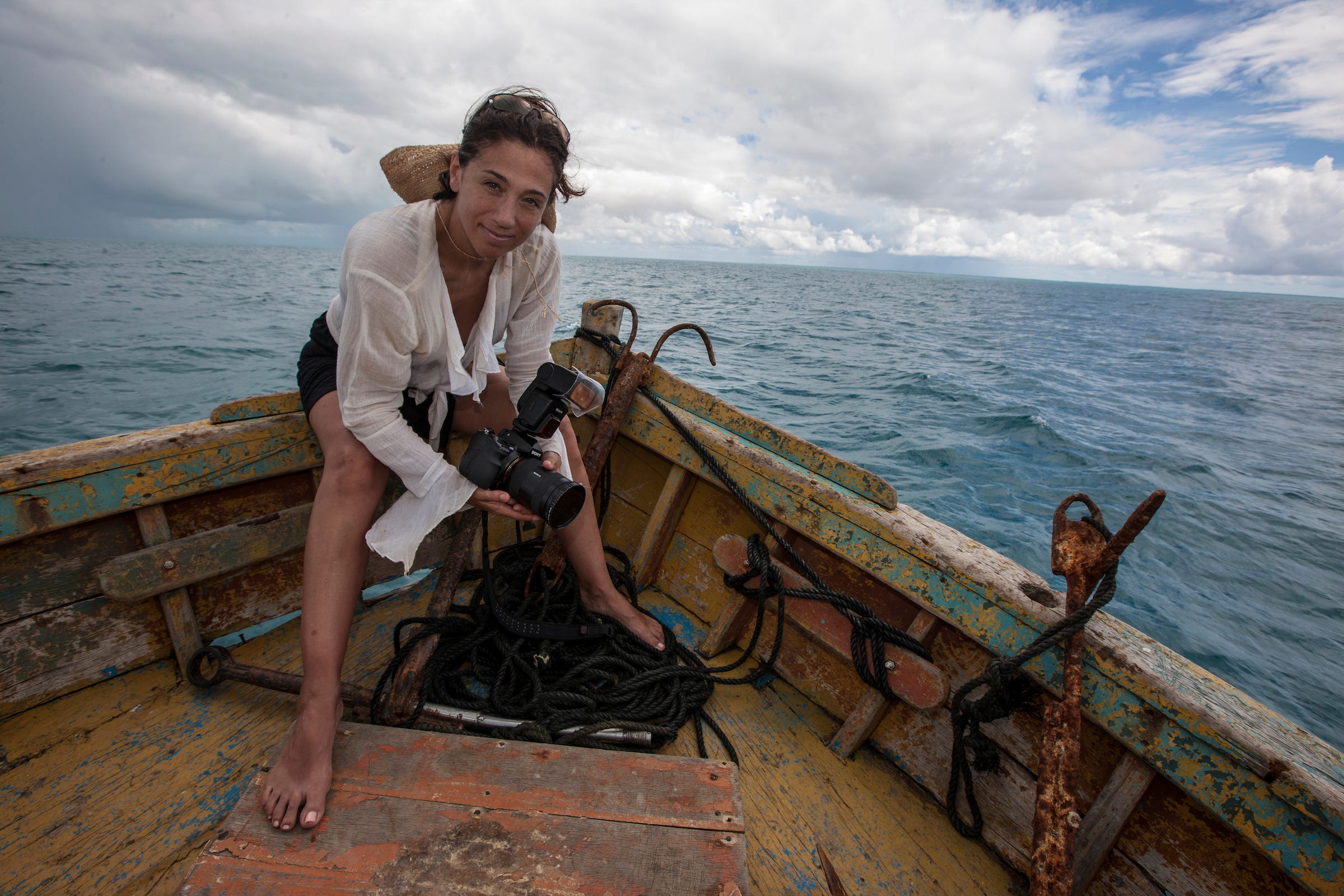
They were in search of the sort of freedom that allowed them to use their images and tell their stories how they wanted, when they wanted. In 2014, the early days of Instagram allowed them to do just that in what would become SeaLegacy. For the first time, they had a direct, unfiltered line to the public. Back then, not many people were doing this. Despite what you may see on your Explore Page today, ten years ago, conservation photography was hardly a thing. Their images and stories from the field brought people together and inspired them to act. Over time, from one conservation win to the next, SeaLegacy became proof that storytelling and art, when founded on science, have real power to create change.
And so, despite several iterations of SeaLegacy over the years, from Paul and Cristina alone in their kitchen, to an organization of over thirty people across the US and Canada, down to the core, Canada-based team we are today, our mission has not wavered.
We continue to tell ocean stories, share world-class imagery from the field, teach you the science, and provide tangible ways for you to take action.
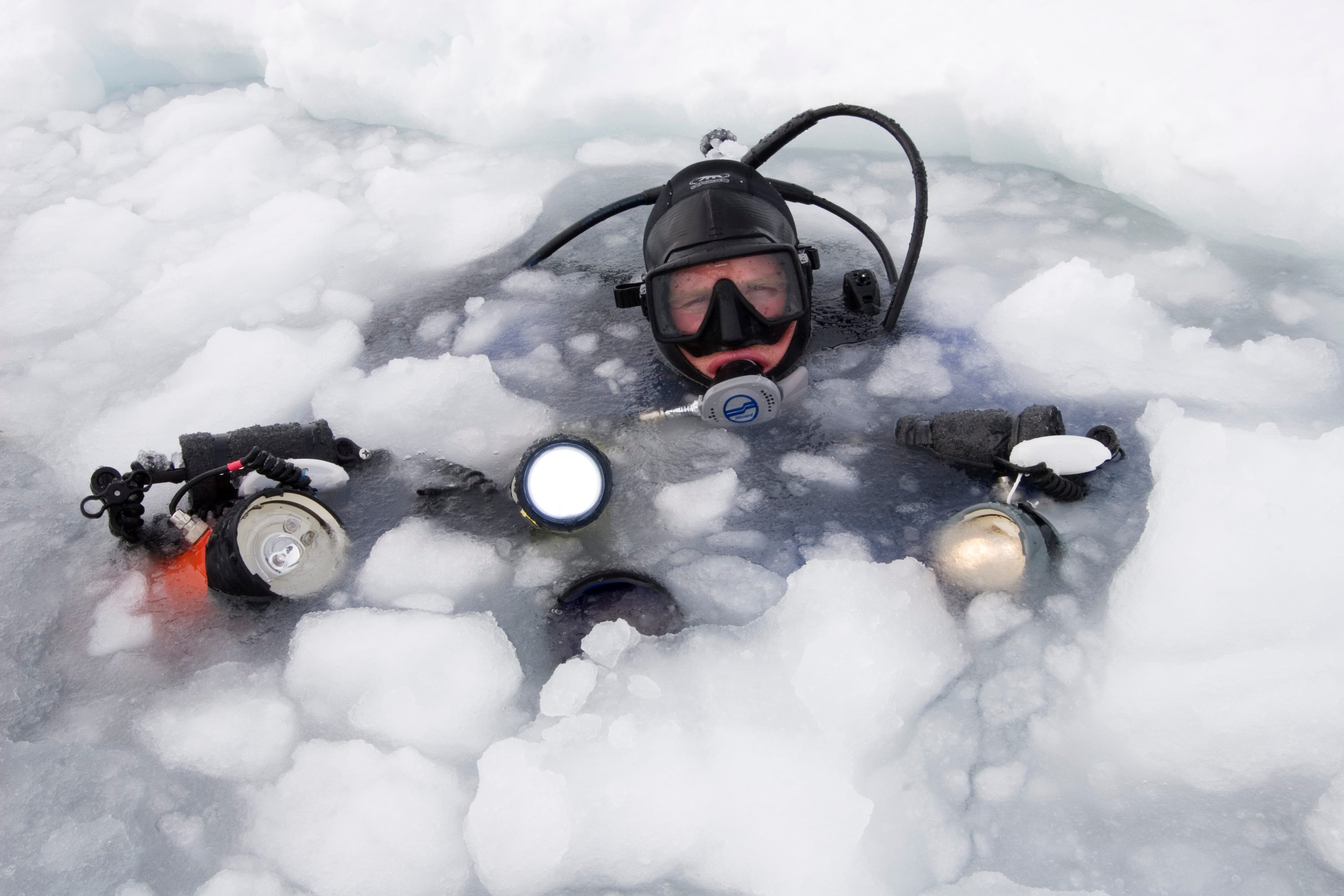
HOW WE NAVIGATE THE WORLD OF CONSERVATION
Marine conservation is infamously complicated. You have countless species heading toward extinction, habitats turning to rubble, coastal and Indigenous communities struggling, poles melting, plastic pollution, coral bleaching, overfishing, and don’t even get us started on the politics. It’s easy to get overwhelmed when so much is happening everywhere all at once.
Just like with anything in life, a task this large becomes more manageable and more effective, if you break it down into bite-sized pieces. That way, we can make sure our efforts work in a holistic way.
With that in mind, we have taken inspiration from the Rebuilding Marine Life roadmap, developed by one of our colleagues and long-time friends, Dr. Carlos Duarte. The roadmap breaks everything down into six components, plus one more that we added, making seven wedges that we base our work on:
Protect more of the ocean — This could be anything from creating a large-scale marine protected area to simply reducing harmful activities in an area. Setting aside parts of the ocean to be free from our impact can make a huge difference.
Protect more species — Some species are struggling more than others, and some species are integral to ecosystem health. Protecting their habitat might not be enough, so targeted actions to give them a boost can help both the species and the ecosystems they inhabit.
Restore degraded habitats — Over the last century, humanity has degraded nature so severely in some places that no amount of protection alone will bring them back. We need to restore these habitats ourselves, whether that be planting kelp or coral, or breeding animals in captivity to release into the wild.
Stem the flow of pollution to the ocean — We use too much plastic, corporations produce too much of it, and governments aren’t doing enough to manage it. Most plastic ends up in the ocean, and now it’s everywhere: in fish, marine mammals, even our own bloodstream. This is a crisis in itself that urgently needs to be addressed.
Rethink how we source food from the ocean — Too many of the world’s commercial fisheries are fundamentally broken. We are taking too much, we’re destroying ecosystems, and bycatch levels are unacceptable. Farming carnivores, like salmon, isn’t the answer either. Sustainable seafood is possible, and we are striving toward that horizon.
Recast the ocean as a solution to climate change — The ocean is the reason climate change isn’t worse already, absorbing vast amounts of excess heat and carbon dioxide from the atmosphere. We believe that by tapping into the ocean’s resilience, we can protect marine ecosystems and reduce climate change at once.
Achieve ocean equity and justice for coastal communities — This is one we added ourselves, because coastal communities rely on a healthy ocean and are integral to ocean conservation, but are often left out of the equation. Many coastal communities are Indigenous, and their Traditional Knowledge and stewardship hold valuable insight into the solution.
WHAT’S NEXT?
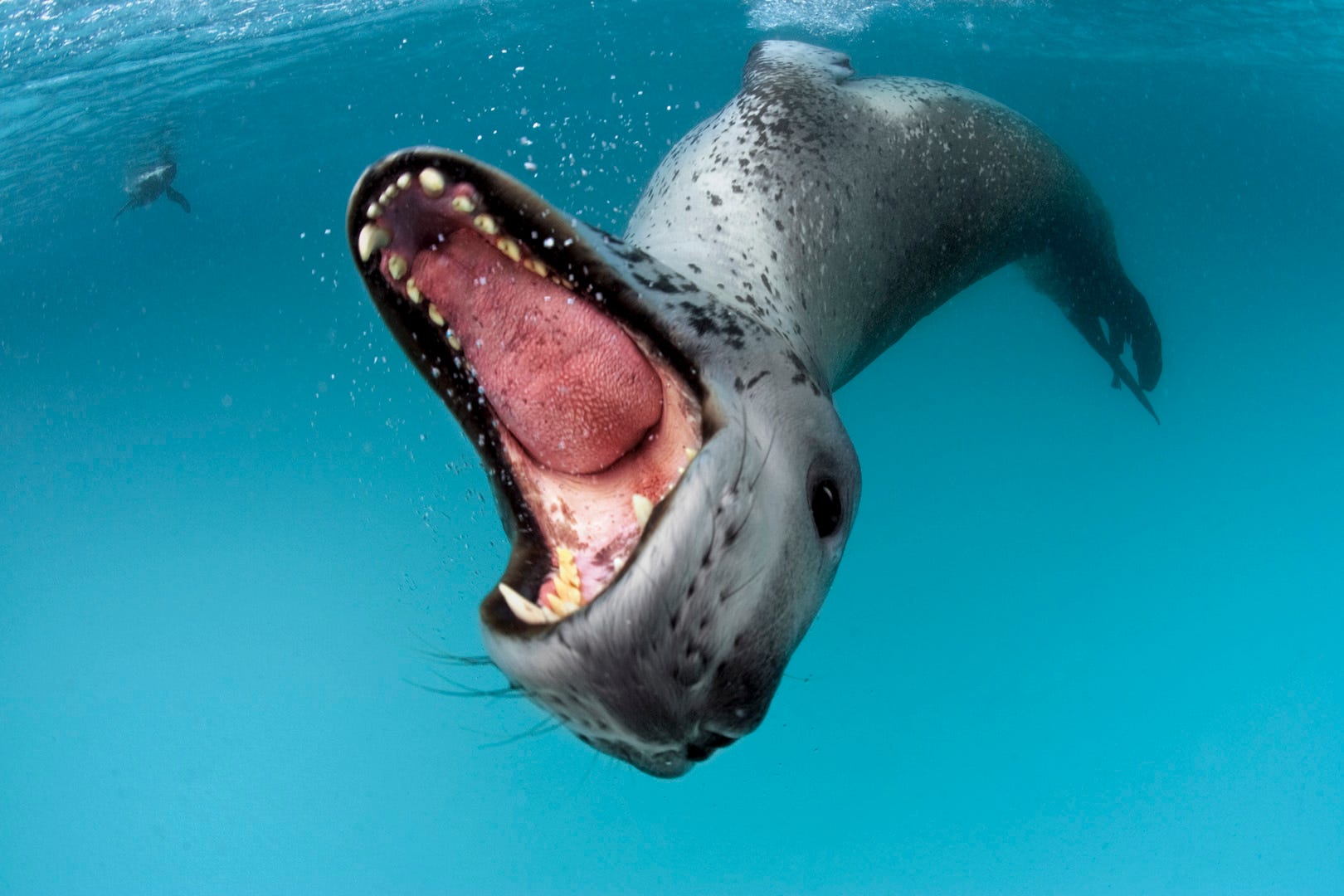
Over the last couple of years, the online (and political) space has rapidly changed in a direction we are not particularly excited about. This isn’t the same internet we were sharing never-before-seen footage of leopard seals twelve years ago.
While we will continue to post on our usual channels, because there is still conservation value in that, we wanted to designate a space where we can share the stories we want to tell, unrestricted by algorithms, editors, or deadlines. Think of it like Instagram 2014 again: a direct line from us to you where we can speak candidly, and you can participate, share, and engage as much as you like.
This first essay is just our introduction, but going forward, you can expect to see essays by our founders, Cristina Mittermeier and Paul Nicklen, about pressing issues and solutions that truly matter most to them, along with new perspectives and guest essays from other members of our team and partners we have worked with over the years.
We’re really excited about this new chapter of SeaLegacy and we are grateful for each and every one of you coming along for the ride. Talk soon.
With gratitude,
The SeaLegacy Team
I arrived to Substack for similar reasons. I have only been around here for about a month, and I am truly enjoying the platform. I had no idea Sea Legacy was here and I am beyond excited to find you!
I recurrently read your email newsletter and follow your work, I am delighted to find yet another platform to dive deeper into your stories. I hope this new space translates into an incredibly transformative movement for the ocean! Stoked to find you here. Cheers from an aspiring ocean photographer and advocate :)
Love our tiny but mighty team 🧡